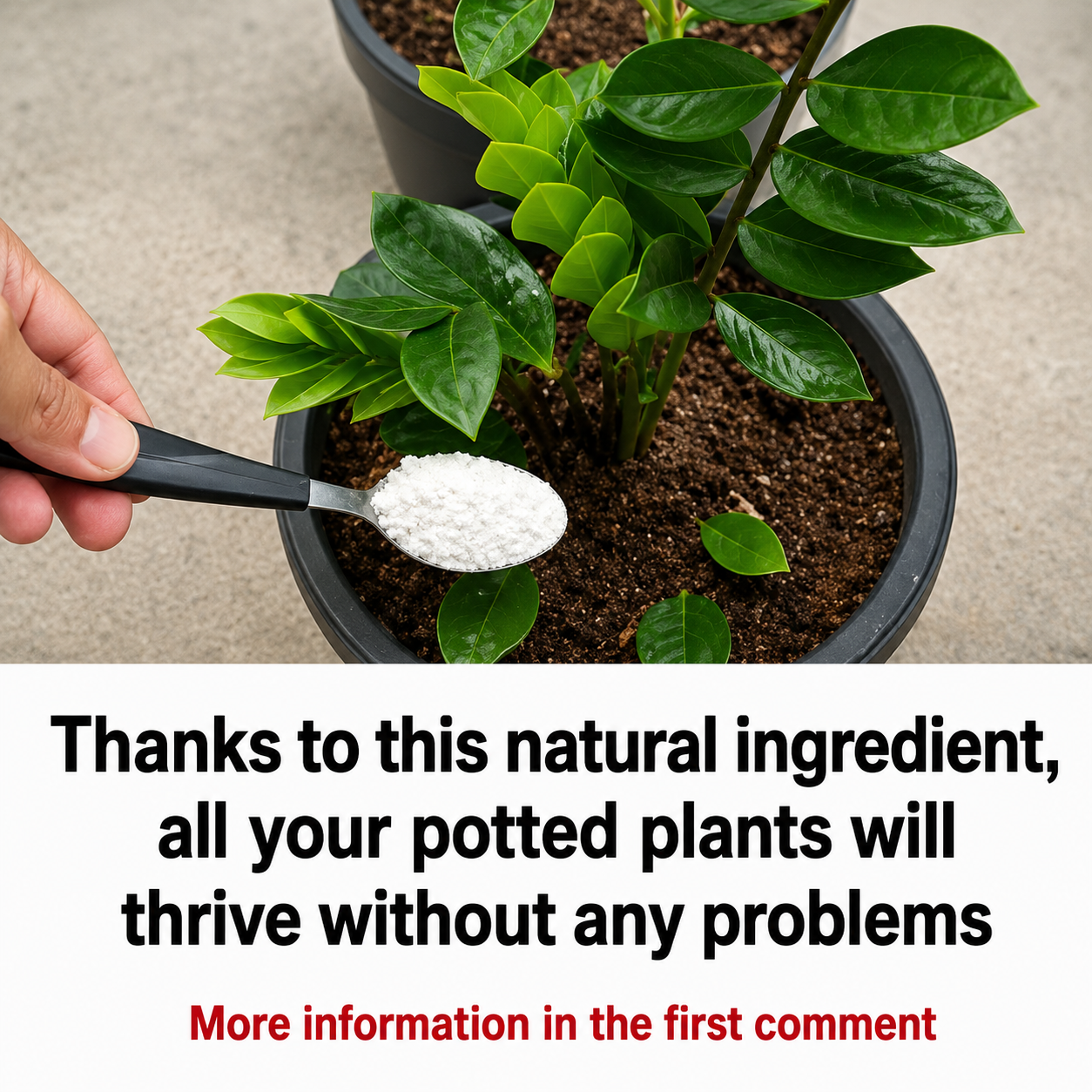
This Natural Fertilizer Helps Potted Plants Thrive and Bloom Beautifully
3. Banana Peels
Banana peels contain potassium, which supports flowering and overall plant vigor.
You can:
Chop small pieces and bury them lightly in the soil.
Soak peels in water for 24–48 hours and use the liquid to water plants occasionally.
Avoid using excessive amounts, as decomposing peels may attract insects.
4. Coffee Grounds
Used coffee grounds can provide small amounts of nitrogen and organic matter.
Use them sparingly by mixing a thin layer into the soil or adding them to compost.
Some acid-loving plants benefit more from coffee grounds than others, so avoid overapplication.
5. Compost Tea
Compost tea is made by steeping finished compost in water.
The resulting liquid contains nutrients and beneficial microorganisms that can be used to water plants or spray foliage.
How Often Should You Fertilize?
The frequency depends on the plant and the growing season.
As a general guide:
Spring: Every 2–4 weeks
Summer: Every 2–4 weeks during active growth
Autumn: Reduce feeding as growth slows
Winter: Most houseplants require little or no fertilizer
Always observe your plant’s condition and adjust accordingly.
Signs Your Plants Need Nutrients
Watch for these common symptoms:
Yellow leaves
Weak or leggy growth
Small new leaves
Poor flowering
Slow overall growth
These signs may indicate nutrient deficiencies, although lighting, watering, and temperature should also be considered.
Common Fertilizing Mistakes
Avoid these common errors:
Applying too much fertilizer
Fertilizing dry soil
Feeding dormant plants heavily
Ignoring drainage
Assuming all plants have identical nutrient needs
Moderation is usually more effective than frequent heavy feeding.
Additional Tips for Healthy Potted Plants
Besides fertilizing, remember to:
Water only when needed.
Use containers with proper drainage holes.
Repot plants when they become root-bound.
Provide adequate sunlight for each species.
Remove dead leaves and spent flowers regularly.
Good overall care works together with proper nutrition.
Frequently Asked Questions
Are natural fertilizers safe for indoor plants?
Yes. When used in moderation, natural fertilizers can be an excellent option for many houseplants.
Can eggshells replace commercial fertilizer?
No. Eggshells mainly provide calcium and should be considered a supplement rather than a complete fertilizer.
Is compost enough for container plants?
High-quality compost supplies many nutrients, but fast-growing flowering plants may still benefit from additional balanced feeding.
Can too much natural fertilizer harm plants?
Yes. Even natural products can create nutrient imbalances or attract pests if overused.
Best Plants That Benefit from Natural Fertilizers
Many container plants respond well to natural feeding, including:
Peace lilies
Snake plants
Pothos
Spider plants
Herbs such as basil and parsley
Geraniums
Roses in containers
Tomatoes
Peppers
Flowering annuals
Final Thoughts
Natural fertilizers are an easy and eco-friendly way to keep your potted plants healthy and productive. While no single ingredient can provide every nutrient a plant needs, combining methods such as compost, crushed eggshells, banana peels, and careful watering creates a balanced environment for long-term growth.
By feeding your plants regularly, providing proper light, and avoiding overfertilization, you’ll enjoy stronger foliage, healthier roots, and beautiful blooms throughout the growing season.
To provide the best experiences, we use technologies like cookies to store and/or access device information. Consenting to these technologies will allow us to process data such as browsing behavior or unique IDs on this site. Not consenting or withdrawing consent, may adversely affect certain features and functions.
Functional
Always active
The technical storage or access is strictly necessary for the legitimate purpose of enabling the use of a specific service explicitly requested by the subscriber or user, or for the sole purpose of carrying out the transmission of a communication over an electronic communications network.
Preferences
The technical storage or access is necessary for the legitimate purpose of storing preferences that are not requested by the subscriber or user.
Statistics
The technical storage or access that is used exclusively for statistical purposes.The technical storage or access that is used exclusively for anonymous statistical purposes. Without a subpoena, voluntary compliance on the part of your Internet Service Provider, or additional records from a third party, information stored or retrieved for this purpose alone cannot usually be used to identify you.
Marketing
The technical storage or access is required to create user profiles to send advertising, or to track the user on a website or across several websites for similar marketing purposes.