Trim any excessive fat or tough connective tissue from the beef.
Cut the meat into evenly sized cubes, approximately 1½ inches (4 cm).
Pat the beef dry with paper towels.
This helps it brown properly.
Step 2: Cook the Onions
Heat the lard or oil in a large heavy-bottomed pot or Dutch oven over medium heat.
Add the finely chopped onions.
Cook slowly for approximately 8–10 minutes, stirring frequently, until the onions become soft and golden.
Don’t rush this step.
The onions are an important part of the sauce.
Step 3: Add the Paprika
Remove the pot from the heat for a moment.
Add the Hungarian paprika and stir it into the onions.
Important
Paprika can become bitter if it burns.
Adding it away from direct high heat helps preserve its sweet, fragrant flavor.
Step 4: Add the Beef
Return the pot to medium heat.
Add the beef cubes and stir well so they become coated with the onion and paprika mixture.
Cook for several minutes.
The meat will begin releasing its juices, creating the foundation for the rich sauce.
Step 5: Add Garlic and Vegetables
Add the minced garlic, chopped tomato, and Hungarian pepper.
Add the optional caraway seeds, salt, and black pepper.
Stir everything together.
Step 6: Add a Little Liquid
Pour in the beef stock or water.
You don’t want to completely cover the meat.
Pörkölt should have a thick, concentrated sauce rather than a large amount of broth.
Add the tomato paste if using.
Slow-Cook the Beef
Step 7: Simmer Slowly
Bring the mixture to a gentle simmer.
Cover the pot and cook over low heat for approximately 1½–2½ hours, depending on the cut of beef.
Stir occasionally.
If the liquid becomes too low before the beef is tender, add a small amount of water or stock.
The goal is to maintain a rich sauce without turning the dish into soup.
Step 8: Check the Beef
The beef is ready when it is fork-tender and easily breaks apart when pressed.
Taste the sauce and adjust the salt and pepper if necessary.
If the sauce is too thin, remove the lid during the final stage of cooking and allow some liquid to evaporate.
The Secret to Great Pörkölt
The most important technique is slow cooking.
Don’t try to make the dish quickly over high heat.
The long, gentle simmer allows:
The beef to become tender
The onions to break down
The paprika to infuse the sauce
The flavors to become concentrated
This is what gives traditional pörkölt its characteristic richness.
What Is the Difference Between Pörkölt and Goulash?
Although they are often confused outside Hungary, they are different dishes.
Hungarian Pörkölt
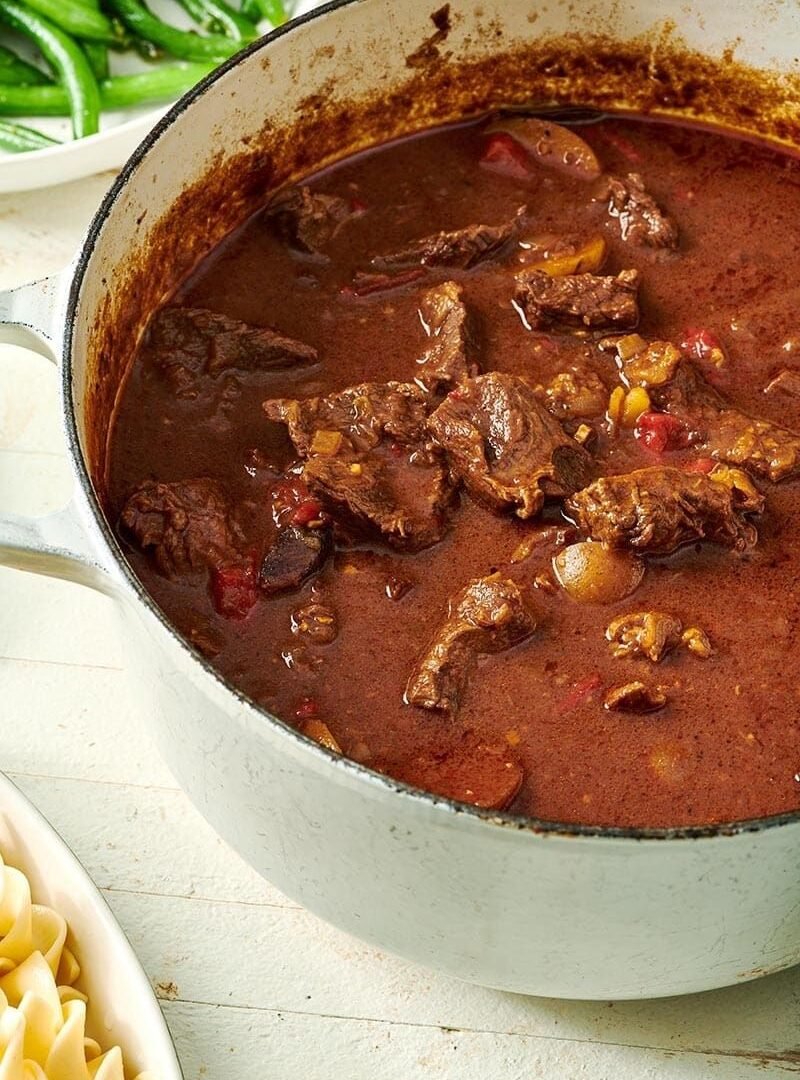
Pörkölt is generally thicker and more concentrated, with relatively little liquid.
The meat is served in a rich paprika-based sauce.
Hungarian Goulash
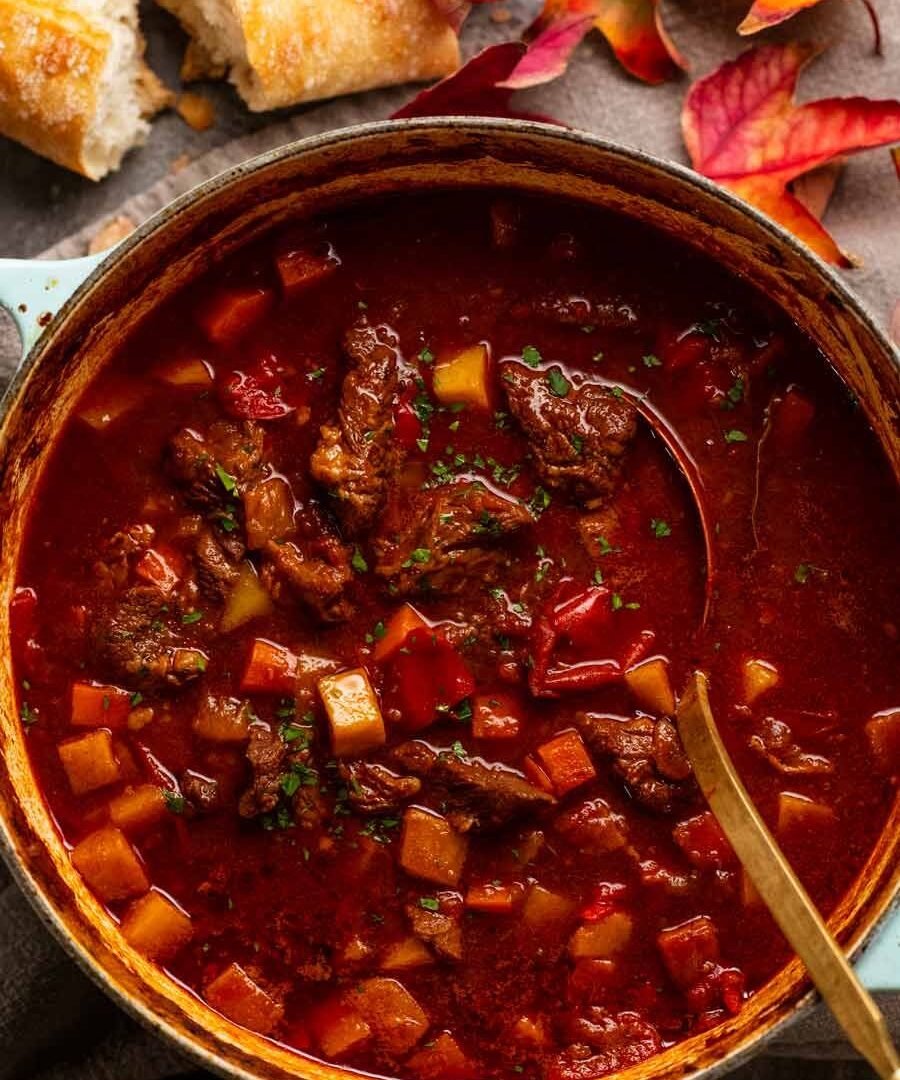
Goulash, or gulyás, is traditionally more soup-like and contains more liquid, often along with vegetables and potatoes.
Both are delicious, but the texture and consistency are different.
Best Beef for Pörkölt
The best cuts are those that benefit from slow cooking.
Excellent choices include:
Beef chuck
Beef shoulder
Beef shin
Beef cheek
Chuck is particularly convenient because it becomes tender and flavorful after slow cooking.
Traditional Hungarian Paprika
For the best flavor, use sweet Hungarian paprika.
Paprika is not simply a garnish in this recipe—it is one of the main ingredients.
Good-quality paprika provides:
Rich red color
Sweet pepper aroma
Warm flavor
Traditional Hungarian character
For a spicy version, add a small amount of hot Hungarian paprika.
What to Serve With Beef Pörkölt
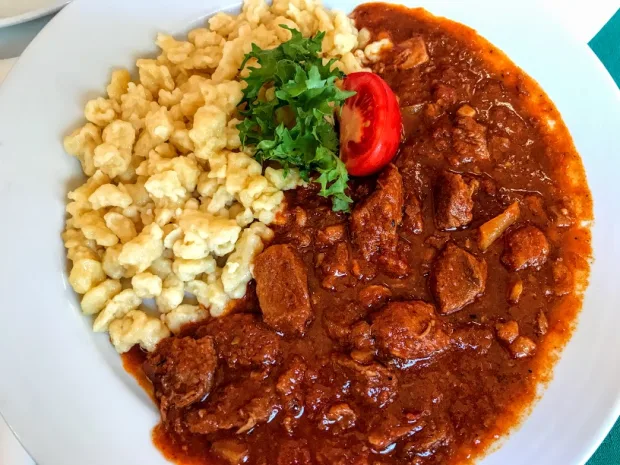
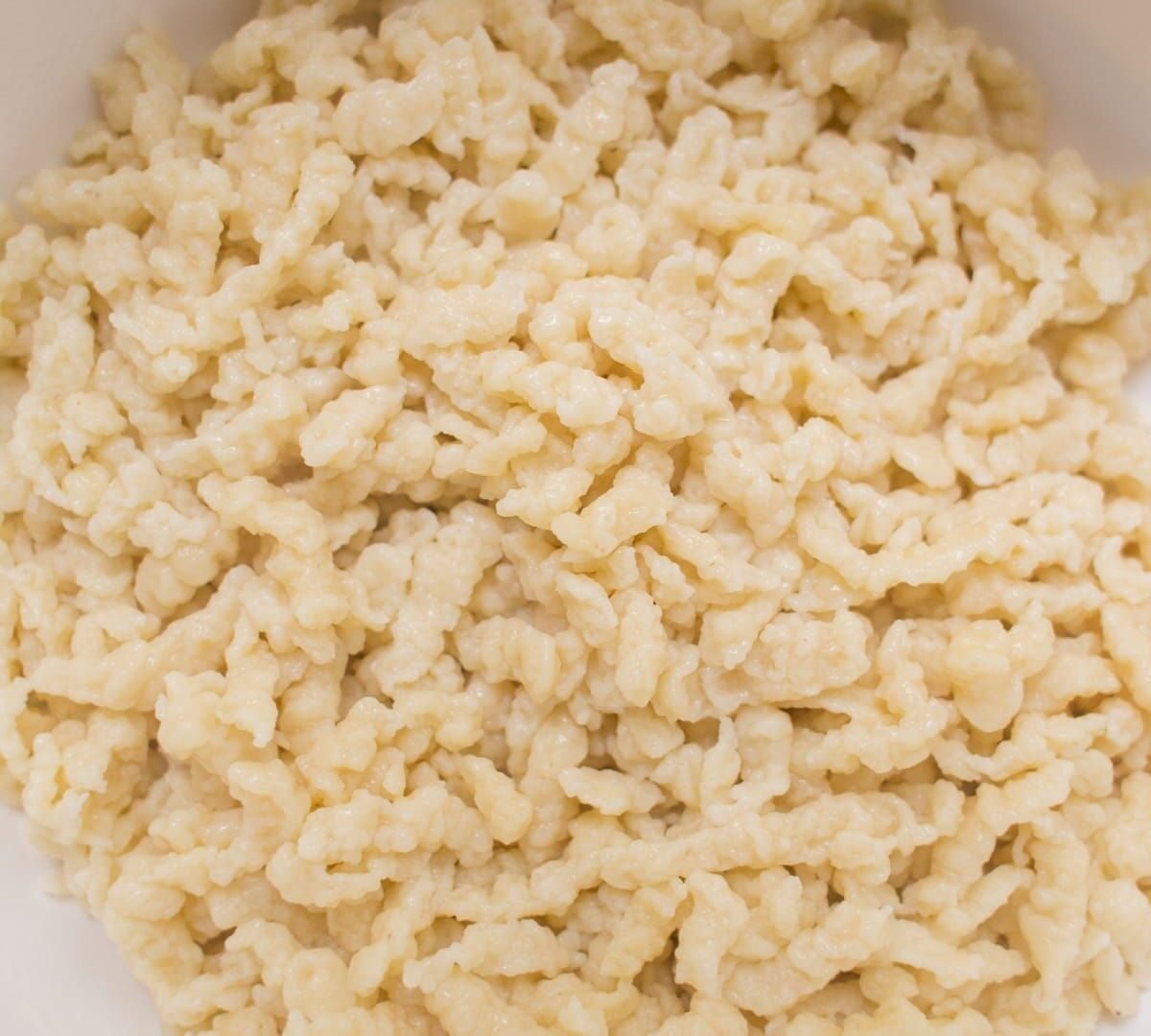
Nokedli
One of the most traditional accompaniments is nokedli, Hungarian egg dumplings.
The soft dumplings are perfect for soaking up the rich paprika sauce.
Potatoes
Boiled potatoes make a simple and comforting side dish.
Rustic Bread
A thick slice of crusty bread is excellent for dipping into the sauce.
Pickles
Hungarian-style pickles provide a refreshing contrast to the rich beef.
Try:
Gherkins
Pickled peppers
Sauerkraut
Pickled cucumbers
Hungarian Beef Pörkölt With Sour Cream
Although sour cream isn’t essential to traditional beef pörkölt, you can serve a small spoonful alongside the dish.
For a creamier variation, the sauce can be transformed into a paprikás-style preparation, but classic pörkölt is generally served without a large amount of cream.
Tips for Perfect Pörkölt
Don’t Burn the Paprika
Always be careful when adding paprika to hot fat.
Remove the pot from direct heat if necessary.
Use Plenty of Onions
The onions help create the thick, flavorful sauce.
Don’t Add Too Much Water
Pörkölt should be rich and thick.
Add liquid gradually rather than covering the meat completely.
Cook Slowly
Low and slow is the key to tender beef.
Let It Rest
After cooking, allow the pörkölt to rest for approximately 10–15 minutes before serving.
The flavors will settle and the sauce will thicken slightly.
Can I Make Pörkölt in a Slow Cooker?
Yes.
Brown the onions and beef first, then transfer everything to a slow cooker.
Cook on LOW for approximately 6–8 hours, or until the beef is tender.
Because slow cookers retain moisture, use less liquid than you would on the stovetop.
Can I Make It Ahead?
Absolutely.
Hungarian pörkölt is one of those dishes that often tastes even better the following day.
The paprika, onions, and beef have more time to develop their flavors.
Store it covered in the refrigerator and gently reheat before serving.
How to Store Leftovers
Allow the pörkölt to cool and transfer it to an airtight container.
Refrigerate for up to 3–4 days.
Reheat gently on the stovetop until thoroughly hot.
Can I Freeze Hungarian Beef Pörkölt?
Yes.
Allow the stew to cool completely.
Place it in freezer-safe containers and freeze for up to 3 months.
Thaw overnight in the refrigerator and reheat slowly.
If the sauce becomes too thick, add a small splash of water or beef stock.
Frequently Asked Questions
Is Hungarian Beef Pörkölt spicy?
It doesn’t have to be. Traditional versions can be quite mild because sweet paprika is commonly used. Hot paprika can be added for extra heat.
Why is my pörkölt watery?
Too much liquid may have been added. Remove the lid and simmer gently until the sauce reduces and becomes thicker.
Can I use pork instead of beef?
Yes. Pork pörkölt is another popular Hungarian preparation.
Can I use chicken?
Absolutely. Chicken pörkölt cooks much faster than beef and is another classic Hungarian dish.
Is pörkölt the same as goulash?
No. Pörkölt is generally thicker and has less liquid, while Hungarian goulash is traditionally more soup-like.
Final Thoughts
Hungarian Beef Pörkölt (Marhapörkölt) is a wonderful example of traditional Hungarian cooking: simple ingredients transformed through patience and careful cooking.
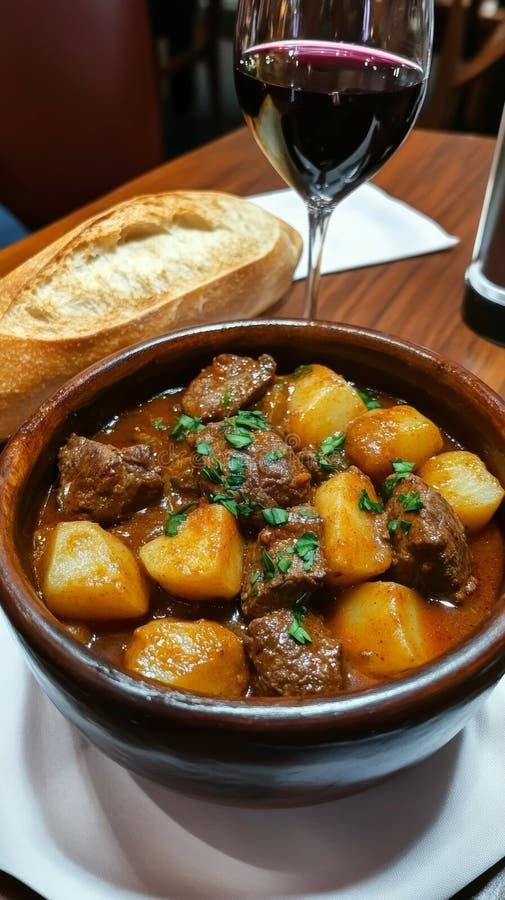
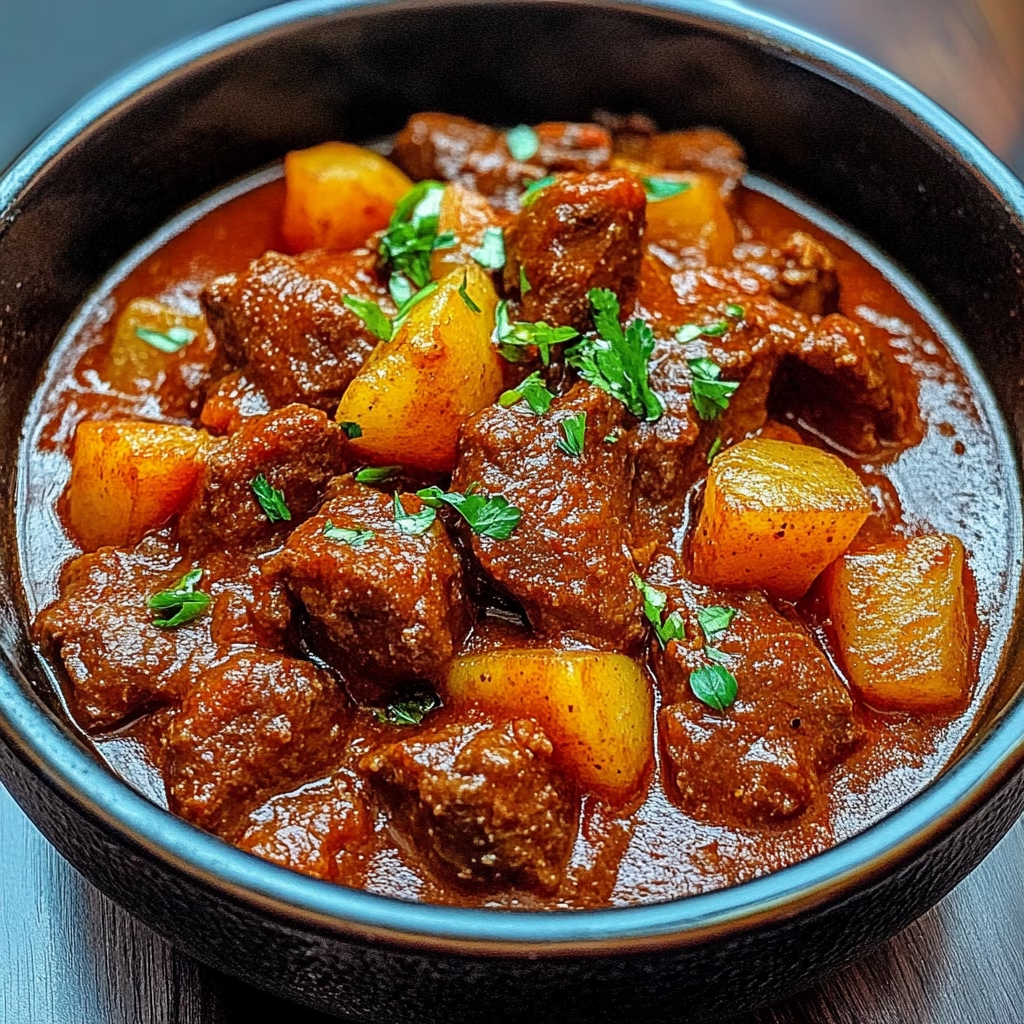
Tender beef, sweet onions, fragrant Hungarian paprika, garlic, and peppers slowly come together to create a deeply satisfying stew with a rich, glossy sauce.
Serve it with nokedli, potatoes, or crusty bread, add a few Hungarian pickles on the side, and you have a comforting meal that tastes like classic Hungarian home cooking.
To provide the best experiences, we use technologies like cookies to store and/or access device information. Consenting to these technologies will allow us to process data such as browsing behavior or unique IDs on this site. Not consenting or withdrawing consent, may adversely affect certain features and functions.
Functional
Always active
The technical storage or access is strictly necessary for the legitimate purpose of enabling the use of a specific service explicitly requested by the subscriber or user, or for the sole purpose of carrying out the transmission of a communication over an electronic communications network.
Preferences
The technical storage or access is necessary for the legitimate purpose of storing preferences that are not requested by the subscriber or user.
Statistics
The technical storage or access that is used exclusively for statistical purposes.The technical storage or access that is used exclusively for anonymous statistical purposes. Without a subpoena, voluntary compliance on the part of your Internet Service Provider, or additional records from a third party, information stored or retrieved for this purpose alone cannot usually be used to identify you.
Marketing
The technical storage or access is required to create user profiles to send advertising, or to track the user on a website or across several websites for similar marketing purposes.