How to Make Hungarian Nokedli
Step 1: Prepare the Dough
Place the flour and salt in a large mixing bowl.
Make a well in the center and add the eggs.
Begin mixing while gradually adding the water.
Continue mixing until you have a thick, sticky dough.
The dough should be softer than regular pasta dough and too sticky to knead by hand.
Don’t worry if it looks slightly rough. That’s exactly what you want.
Step 2: Bring the Water to a Boil
Bring a large pot of generously salted water to a rolling boil.
Using plenty of water gives the dumplings enough space to cook without sticking together.
Step 3: Form the Nokedli
Place a portion of the dough into a nokedli maker or spaetzle press.
Hold the tool over the boiling water and press the dough through the holes.
Small pieces of dough will fall directly into the water.
If you don’t have a nokedli maker, you can use a large-hole colander or spaetzle tool.
Work in batches rather than overcrowding the pot.
Step 4: Cook the Dumplings
The nokedli will initially sink to the bottom of the pot.
After approximately 2–3 minutes, they will rise to the surface.
Once they float, cook them for another 1–2 minutes.
Taste one to make sure it is tender and cooked through.
Step 5: Drain
Remove the cooked nokedli with a slotted spoon or drain them in a colander.
Don’t leave them sitting in the hot cooking water because they can become overly soft.
Step 6: Add Butter
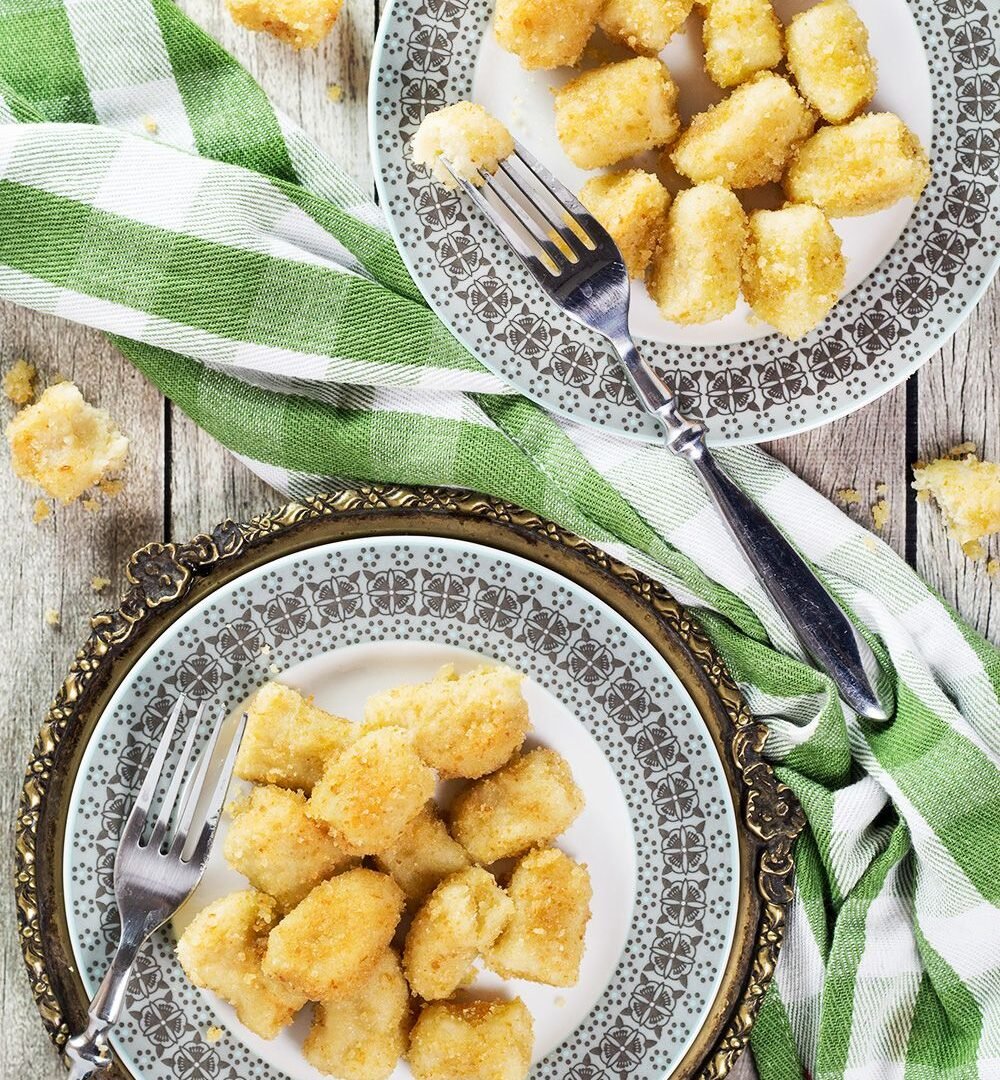
Transfer the cooked dumplings to a large bowl.
Toss gently with melted butter.
The butter prevents them from sticking together and adds extra flavor.
Tips for Perfect Hungarian Nokedli
Don’t Make the Dough Too Thick
The dough needs to be soft enough to pass easily through the holes of your nokedli maker.
If it is extremely stiff, add a little more water.
Don’t Add Too Much Water
If the dough is too thin, the dumplings may become overly soft and lose their characteristic texture.
Add water gradually.
Work Quickly
Once the dough is prepared, it’s best to cook it relatively quickly rather than allowing it to sit for a long time.
Use Plenty of Salt in the Water
Just like pasta, properly salted cooking water helps season the dumplings from the inside.
Don’t Overcook
Nokedli cook very quickly.
Once they float, they need only a short additional cooking time.
How to Serve Hungarian Nokedli
Nokedli are rarely served alone. Their main purpose is to accompany flavorful Hungarian dishes.
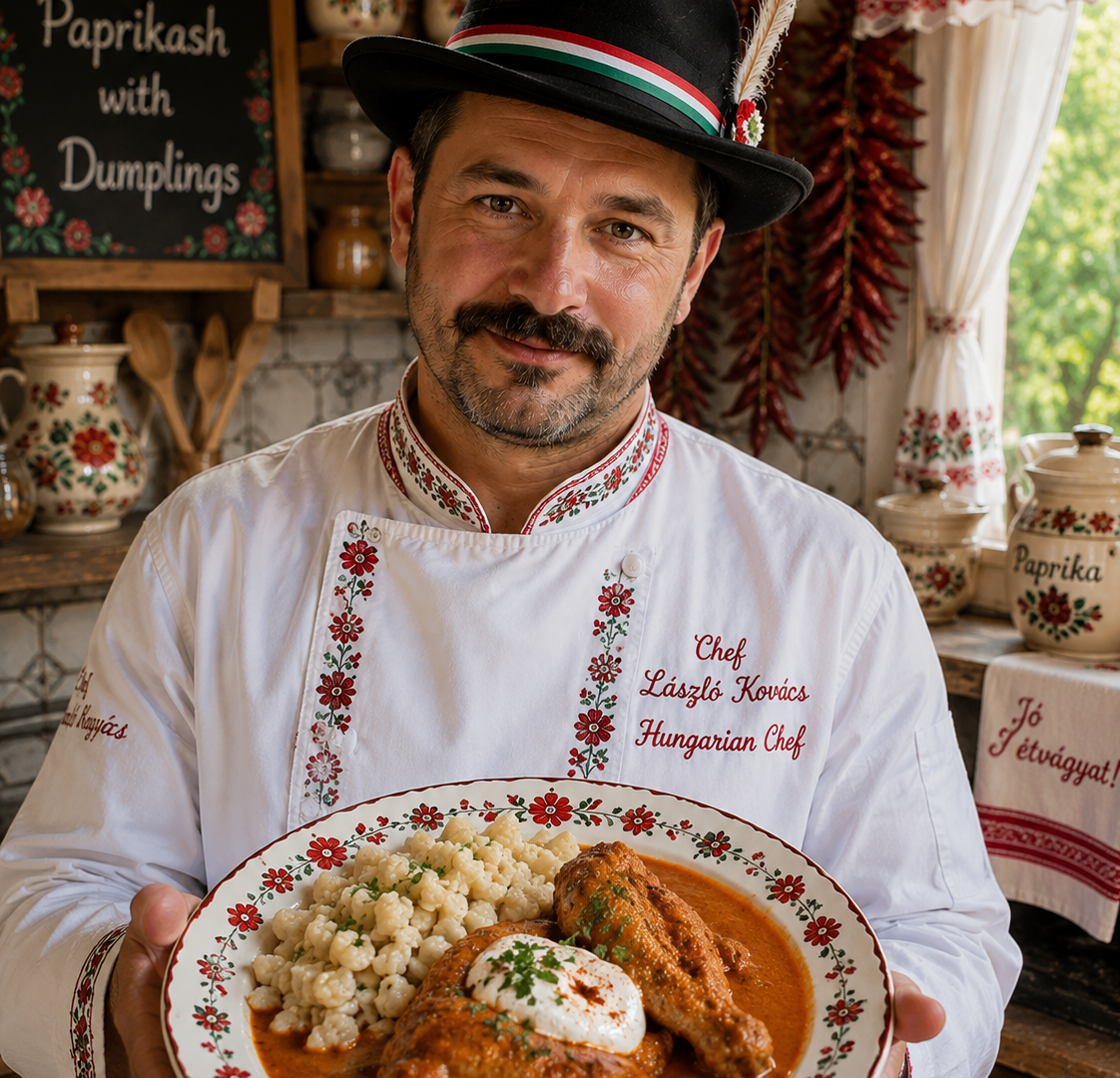
Chicken Paprikash
This is probably the most famous pairing.
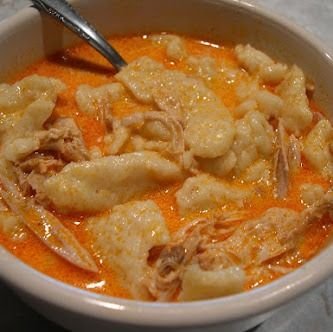
Creamy paprika sauce from Paprikás Csirke coats the soft dumplings beautifully.
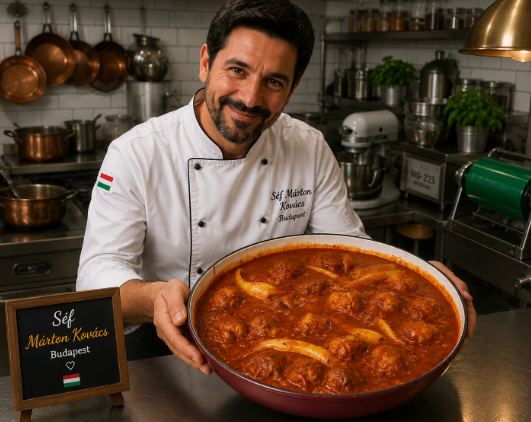
Beef Pörkölt
The rich sauce from Hungarian Beef Pörkölt is perfect with nokedli.
Pork Pörkölt
Tender pork and paprika sauce make another traditional combination.
Mushroom Paprikash
For a vegetarian option, serve nokedli with creamy mushroom paprikash.
Nokedli vs. Spätzle
Hungarian Nokedli and German/Austrian Spätzle are closely related.
Both are made from a simple egg-based dough and cooked by dropping small pieces into boiling water.
The main difference is culinary tradition and the way they are typically served.
In Hungary, Nokedli are especially associated with dishes such as Chicken Paprikash and Pörkölt.
Can I Make Nokedli Without a Special Tool?
Yes.
If you don’t have a traditional nokedli maker, you can use:
- A large-hole colander
- A spaetzle maker
- A large-holed potato ricer
- A wooden board and knife
- A spoon to drop small portions of dough into the water
The pieces don’t need to look perfectly uniform. Traditional nokedli are naturally rustic and irregular.
Can I Make Nokedli Ahead of Time?
Yes, although freshly cooked nokedli have the best texture.
If you need to prepare them ahead:
- Cook the dumplings.
- Drain them well.
- Toss them with a little butter or oil.
- Allow them to cool.
- Refrigerate in an airtight container.
- Reheat gently in a skillet with butter.
How to Store Nokedli
Store cooked nokedli in an airtight container in the refrigerator for up to 3 days.
When reheating, add a small amount of butter or water to prevent them from drying out.
Can Hungarian Nokedli Be Frozen?
Yes.
Cooked nokedli can be frozen, although the texture may be slightly softer after thawing.
Spread the cooked dumplings on a tray and freeze them separately before transferring them to a freezer-safe container.
Reheat directly from frozen in a skillet with butter.
Frequently Asked Questions
What does Nokedli mean?
Nokedli refers to small Hungarian egg dumplings made from flour, eggs, water, and salt.
Are Nokedli the same as Spätzle?
They are very similar, but Nokedli are specifically associated with Hungarian cuisine and traditional Hungarian dishes.
What are Nokedli served with?
They are traditionally served with dishes containing rich sauces, especially Chicken Paprikash and Pörkölt.
Why are my Nokedli tough?
Too much flour or overmixing can make the dumplings dense. The dough should remain soft and sticky.
Why are my Nokedli falling apart?
The dough may contain too much water or the dumplings may be overcooked. Add water gradually and cook only until tender.
Can I add herbs?
Yes. Fresh parsley, chives, or other herbs can be mixed into the finished dumplings for extra flavor.
Final Thoughts
Hungarian Nokedli are proof that some of the best comfort foods are made from the simplest ingredients.
With just flour, eggs, water, and salt, you can create soft, tender dumplings that are perfect for soaking up rich Hungarian sauces.
Serve them with traditional Chicken Paprikash, Beef Pörkölt, or mushroom paprikash for a comforting Hungarian meal that the whole family will enjoy.
Related Posts: